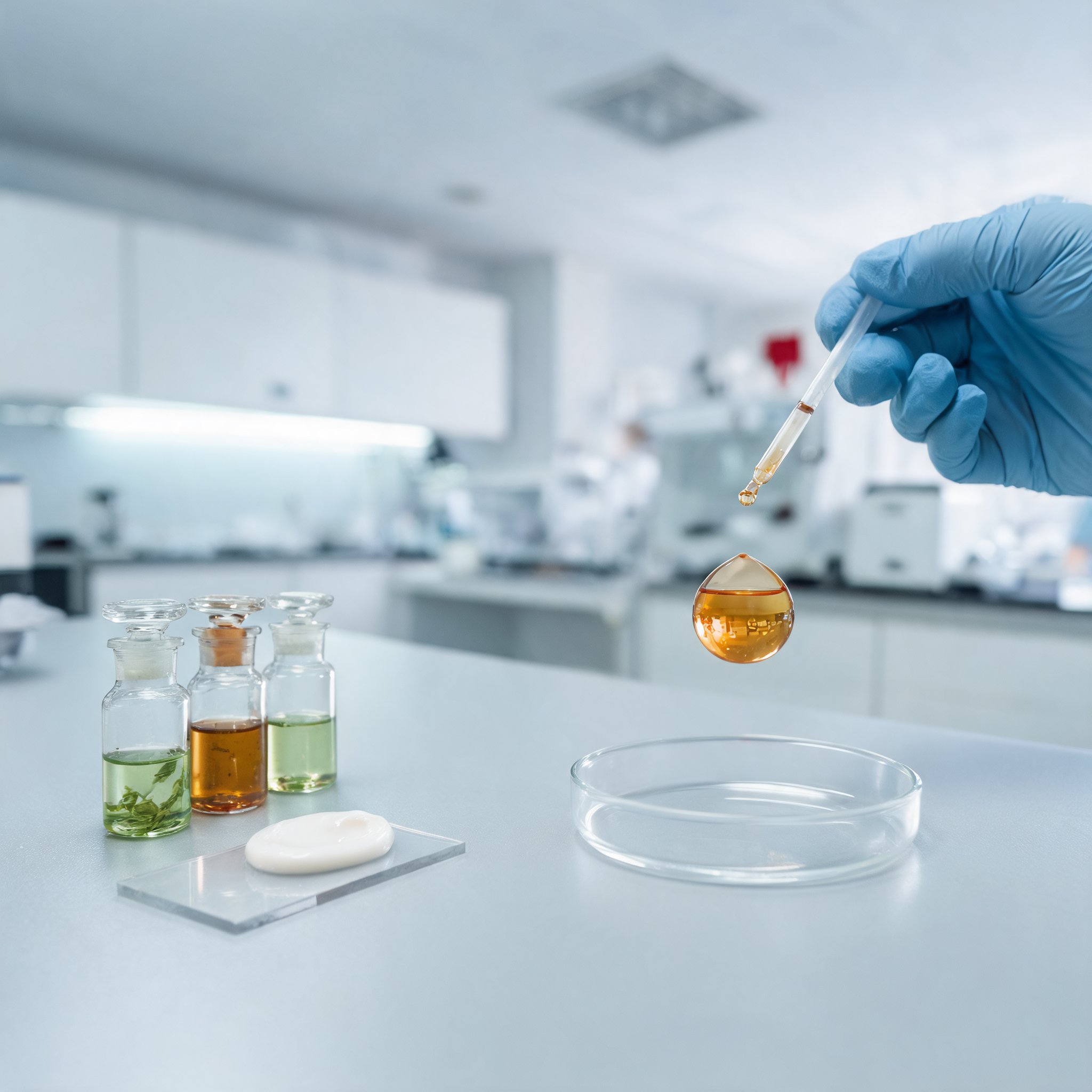
BASF and ParagonCorp have signed a memorandum of understanding to explore collaboration on science-backed cosmetic innovation. ParagonCorp, described as Indonesia’s largest personal care company, is the first beauty company in the country to sign such an agreement with BASF’s Personal Care business. The MoU is non-binding and non-exclusive, and sets up a framework for joint research and development.
R&D framework
Under the framework, the companies intend to work together on R&D. BASF brings capabilities in ingredient and formulation science and global research, while ParagonCorp contributes local understanding of consumers and product development. The companies said they will use these combined strengths to explore novel cosmetic concepts founded on scientific advances. The agreement does not commit either party to exclusivity or to a binding commercial program.
Dr. Chang Wang, VP of business management, Personal Care, Asia Pacific at BASF, said innovation is most meaningful when it stays close to consumers. Wang said combining science with a deeper understanding of evolving expectations could unlock possibilities that bring greater relevance to personal care.
Dr. Sari Chairunnisa, deputy CEO and chief R&D officer at ParagonCorp, said innovation must begin with an understanding of consumer needs and continue to evolve through science-based approaches. Chairunnisa described ParagonCorp as a “Purposeful Beauty Tech Company.”
For BASF, the agreement offers a route into local consumer insight and product development through Indonesia’s largest personal care company. For ParagonCorp, it provides access to global ingredient and formulation research. Both companies frame the collaboration as a way to explore concepts grounded in science while responding to local expectations.
Indonesia’s cosmetics momentum
The agreement comes as Indonesia’s cosmetics industry gains momentum. The Ministry of Industry reported in September that cosmetic exports rose 13.7% to US$473.8 million in 2025, compared with US$416.8 million the year before. The ministry has also increased support for small and medium enterprises in personal care, seeking to improve their competitiveness and help them reach international markets. SMEs make up the bulk of the domestic cosmetics industry.
Domestic product development is expanding as well. ParagonCorp subsidiary Wardah launched Wardah Skinverse 2026: Skin Longevity Clinic earlier this year, described as Indonesia’s first holistic skin longevity clinic.
Halal compliance timetable
At the same time, Indonesia is tightening its regulatory framework. The government is rolling out mandatory halal requirements under which all cosmetics must carry halal certification or a clear non-halal label. The compliance deadline has been extended by two years to October 2028, a move intended to give the halal ecosystem time to prepare and provide businesses with more certainty.